

The Ultimate Roof Inspection Checklist: What Professionals Look For
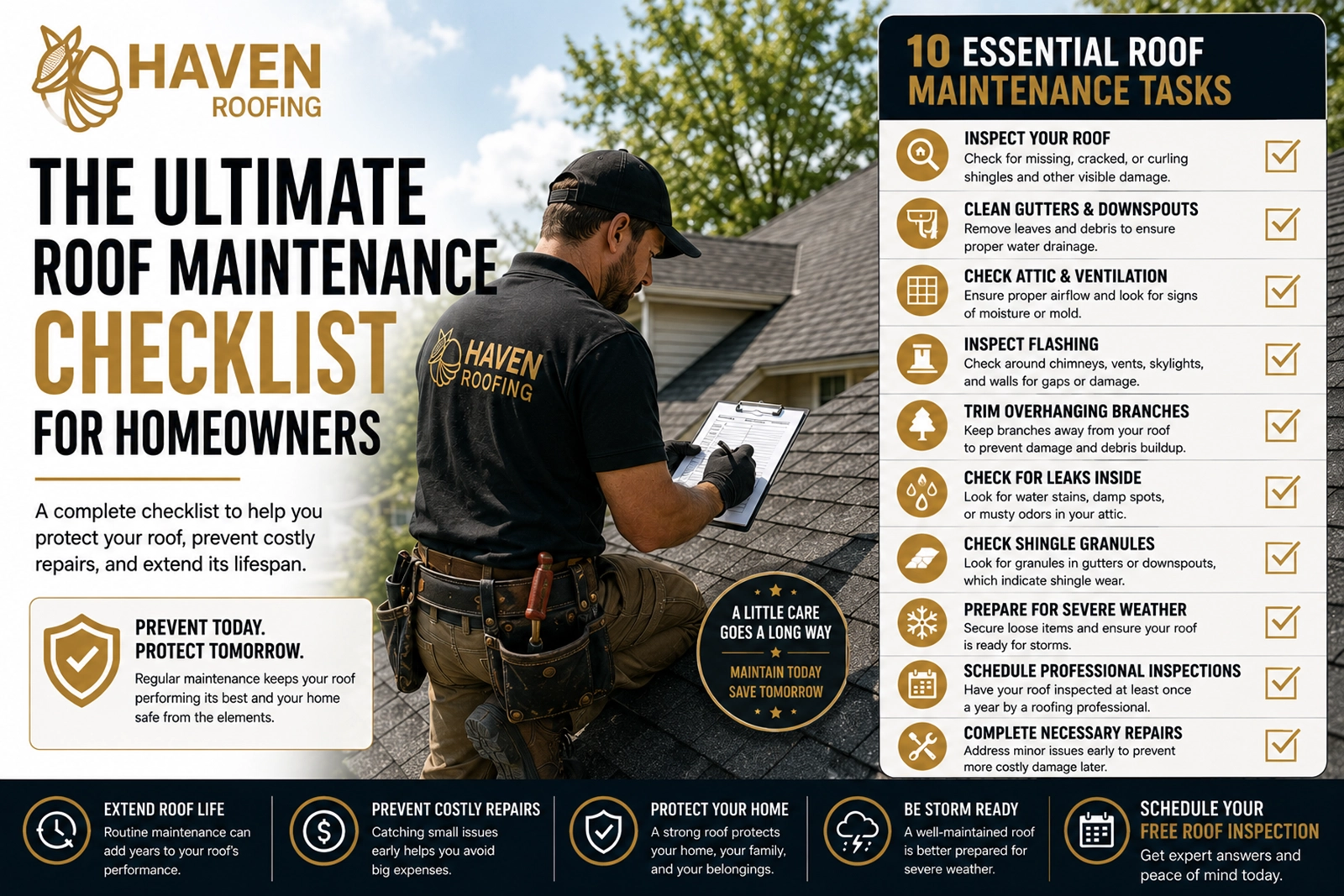
Most homeowners know their roof should be inspected periodically, but few realize just how much goes into a professional roof inspection. A quality inspection is about far more than checking for missing shingles. Experienced roofing professionals evaluate the entire roofing system—from the shingles on top to the attic below—to identify current problems, hidden damage, and conditions that could shorten the life of your roof.
Whether your roof has recently experienced severe weather, is beginning to show signs of age, or you're simply looking for peace of mind, understanding what professionals inspect can help you make informed decisions about maintenance, repairs, or replacement.
This guide walks you through a comprehensive roof inspection checklist and explains why each part of your roofing system matters.
Quick Answer: What Is Checked During a Professional Roof Inspection?
A professional roof inspection evaluates the condition of shingles, flashing, roof penetrations, gutters, ventilation, attic conditions, structural components, drainage systems, and signs of moisture intrusion. The goal is to identify both existing damage and potential issues before they become expensive repairs.
Did You Know?
Many roofing problems begin long before a leak appears inside your home. Regular inspections help identify issues while repairs are still relatively minor and affordable.
Why Roof Inspections Are So Important
Your roof protects everything beneath it. Small problems that go unnoticed can eventually lead to water damage, mold growth, insulation issues, wood rot, and even structural deterioration.
Routine inspections help homeowners:
- Catch problems early
- Extend the life of the roof
- Reduce unexpected repair costs
- Prepare for severe weather seasons
- Document roof condition for insurance purposes
- Plan for future maintenance or replacement
An annual inspection is one of the most cost-effective ways to protect your home.
1. Roofing Materials
The first step of an inspection is evaluating the overall condition of the roofing material itself.
Professionals Look For:
- Missing shingles
- Cracked or broken shingles
- Curling edges
- Granule loss
- Blistering
- Uneven wear patterns
- Improper repairs
The inspector also evaluates whether wear is normal for the roof's age or indicates a developing problem.
2. Flashing and Roof Penetrations
Flashing protects vulnerable areas where water is most likely to enter.
Inspectors carefully examine flashing around:
- Chimneys
- Roof vents
- Plumbing stacks
- Skylights
- Dormers
- Wall intersections
Loose flashing, deteriorated sealants, corrosion, or gaps often become the source of roof leaks.
3. Gutters and Drainage Systems
Your roof depends on proper drainage to move water safely away from your home.
The Inspection Includes:
- Clogged gutters
- Loose gutter fasteners
- Standing water
- Improper gutter slope
- Downspout performance
- Overflow staining
- Granule accumulation
Granules collecting inside gutters may indicate aging asphalt shingles.
4. Attic and Ventilation
Many roofing issues begin inside the attic.
Inspectors evaluate:
- Attic ventilation
- Insulation levels
- Moisture accumulation
- Mold growth
- Condensation
- Daylight entering through the roof deck
- Rusted roofing nails
Proper ventilation improves energy efficiency while reducing moisture and heat buildup that can shorten the life of roofing materials.
5. Structural Components
A roof inspection also includes evaluating the structure supporting the roofing system.
Inspectors Check:
- Roof decking
- Roof framing
- Sagging roof lines
- Water-damaged wood
- Soft spots
- Settlement issues
Structural concerns are less common but should always be addressed promptly.
6. Interior Signs of Roof Damage
Inspectors often look inside the home for signs that water has already entered the roofing system.
Common Warning Signs
- Ceiling stains
- Wall discoloration
- Peeling paint
- Bubbling drywall
- Musty odors
- Mold growth
Interior symptoms often help pinpoint hidden roof leaks.
7. Storm Damage Assessment
If your home has recently experienced severe weather, the inspection becomes even more detailed.
The roofing professional looks for:
- Wind damage
- Hail impacts
- Lifted shingles
- Fallen branches
- Dented flashing
- Damaged vents
- Emergency repair needs
Storm inspections are especially important because some damage isn't immediately visible from the ground.
Professional Roof Inspection vs. DIY Inspection
| DIY Inspection | Professional Inspection |
|---|---|
| Ground-level visual check | Complete roof evaluation |
| Visible damage only | Hidden damage detection |
| Basic observations | Professional documentation |
| No attic evaluation | Attic and ventilation inspection |
| Limited safety | Proper equipment and training |
| No repair recommendations | Maintenance and repair planning |
Homeowners should regularly monitor their roof from the ground, but professional inspections provide a much more complete understanding of the roof's condition.
How Often Should You Schedule a Roof Inspection?
Most homeowners should have their roof professionally inspected once each year.
You should also schedule an inspection:
- After hailstorms
- After high-wind events
- Before buying or selling a home
- When leaks appear
- If your roof is more than 10 years old
- After major tree impacts
Regular inspections often prevent emergency repairs by catching problems while they're still manageable.
How Haven Roofing Performs Roof Inspections
At Haven Roofing, every inspection is designed to give homeowners a complete understanding of their roof's condition. Our experienced inspectors evaluate the roofing materials, flashing, ventilation, drainage, attic, and structural components before documenting any concerns with photographs and straightforward recommendations.
We believe homeowners deserve honest information—not pressure. Whether your roof only needs routine maintenance or you're beginning to plan for replacement, our team provides clear guidance so you can make the best decision for your home.
Schedule Your Free Professional Roof Inspection
Don't wait until a small roofing issue becomes a major repair. Schedule a free inspection with Haven Roofing and gain confidence knowing your roof has been evaluated by experienced professionals.
Schedule Your Free Roof Inspection
You may also find these guides helpful: